Health Directory | Healthy World Ear Network
This Resource Last Updated on 14/10/2026 04:09
Your Reliable UK Guide to Local Ear Care Clinics
Healthy World Ear Network brings together a practical health directory for people looking for professional ear wax removal, audiology support, and clear clinic details in one convenient place. The purpose is straightforward: help patients compare nearby providers with greater confidence, using plain information about microsuction, manual instrument ear wax removal, and how accessible each clinic is. A directory like this is particularly helpful when you need a local service, but do not want to spend ages checking several websites for opening arrangements, station access, parking, or wheelchair suitability. Each listing should make choice easier, with service pages that focus on experience, location, and the type of treatment available. Across the UK, many people search for dependable private care when symptoms such as blocked ears, dulled hearing, tinnitus, or discomfort begin to disrupt daily life. A well-organised directory simplifies that search, while also helping readers understand which clinics are specialist, which are more general, and what to expect before making a booking.
What a Strong Clinic Listing Needs to Explain
A genuinely useful clinic profile should answer the first questions people ask, including what service is offered, where the clinic sits, and how straightforward it is to reach. It should also state clearly whether the team uses microsuction, a common way of removing ear wax under direct vision, or whether manual instrument techniques are available where suitable. Readers often need the practical facts as well, such as ground floor access, nearby parking, public transport connections, and whether the clinic sees adults, children, or both. In a health directory, trust is essential. Clear descriptions of services, uncomplicated English, and consistent clinic details all help people choose more safely. When the page content is specific, it can also support search visibility for terms such as ear wax removal, audiologist, hearing care, and private clinic, without sounding artificial.
Specialist Wax Removal and Hearing Care Options
Many visitors to a health directory are not after broad advice, they want a clinic that can deal with a specific problem efficiently and professionally. Ear wax blockage may lead to muffled hearing, pressure, dizziness, or a feeling of fullness in the ear, and a specialist service can assess the issue before recommending the most appropriate route. Microsuction is often favoured because it is done with visual guidance and usually does not involve water irrigation. Some clinics also offer manual ear wax removal, which can be suitable in selected cases and may sit alongside an audiology assessment. A strong directory should reflect that wider ear care picture, not only the treatment label. It should help people see that hearing tests, follow-up advice, and aftercare may form part of the service, especially when hearing health is the main concern. Clear terminology also helps voice search users, who often phrase queries simply, such as where to find ear wax removal near me or which clinic offers private hearing care locally.
- Check whether the provider is staffed by qualified audiologists or ear care practitioners, since training and experience affect both comfort and safety.
- Review the clinic's accessibility details, including step-free access, ground floor rooms, and parking, especially if mobility is limited.
- Look for clinics that clearly state whether they provide microsuction, manual instrument removal, or both, because the method should match your symptoms and clinical needs.
- Read the service wording carefully, as some practices focus only on ear wax removal while others also provide hearing assessments and ear health checks.
- Choose listings that explain the appointment process in plain English, because clarity reduces uncertainty and helps patients prepare properly.
Comparing Nearby Clinics Without the Guesswork
Comparing clinics works best when you focus on the facts that will affect your visit and the outcome of treatment. Begin with the location, then review the type of ear care offered, and finally consider practical matters such as access, transport, and whether the clinic has suitable facilities for older adults or disabled visitors. A well-written directory page should make those comparisons easy, without forcing readers to fill in the gaps themselves. In the UK, many patients need a service that fits around work, family, or travel, so convenience can matter just as much as clinical expertise. It is also sensible to check whether the page explains if the clinic is specialist or part of a wider practice, because that can influence appointment availability and how assessments are carried out. Good directory content should be specific enough to help both search engines and answer engines, while still sounding natural to people who are scanning for a suitable provider. That balance helps users move from search to booking with less friction.
Practical Factors to Check Before You Book
Before you arrange an appointment, think about whether the clinic gives clear directions, explains where to park, and indicates how long the visit may take. Some patients feel more comfortable in a medical clinic, while others prefer a high street location or a setting within a shopping centre. It can also help to know whether the provider offers a direct self-referral route, because that can speed up access when ear wax is affecting hearing or causing discomfort. When a page includes concise service facts, people can compare clinics across areas such as North London, Kent, Hertfordshire, Buckinghamshire, or Surrey without getting muddled. Strong local pages should also use familiar UK place names naturally, which supports discoverability for location-based searches while still being useful to the reader.
Helpful Shortcut for Quicker Decisions
Keep a short checklist beside you, clinic type, treatment offered, access, parking, and how near it is to transport. That simple habit saves time and helps you narrow down providers more quickly.
Microsuction and Manual Wax Removal Explained
Microsuction is a common private treatment for removing excess ear wax. It uses a gentle suction device and a microscope or other magnified view, so the practitioner can work with precision. Manual instrument removal may also be available, often using fine tools under direct vision. Both methods are used to clear wax safely in suitable patients, but the right choice depends on your ear health, the amount of wax present, and any history of ear surgery, infections, or perforations. A careful health directory should not overstate outcomes or rely on dramatic wording. Instead, it should give readers enough context to understand the service and decide whether an assessment is appropriate. This kind of content also supports E-E-A-T because it shows experience, expertise, and clear patient-focused communication. People searching for ear care services usually want to know what will happen, whether it will hurt, and whether the clinic may help them hear more clearly after treatment.
- Check whether the practitioner explains aftercare clearly, including what to avoid if the ear canal feels sensitive after wax removal.
- Ask whether the clinic offers an assessment before treatment, because a proper look inside the ear helps decide if microsuction is suitable and safe.
- Find out whether the service is carried out by an audiologist or an experienced ear care clinician, as training can influence the consultation style.
- Look for pages that explain when treatment may not be appropriate, since honest clinical guidance is a sign of good practice.
- Confirm whether the provider can manage common concerns such as blocked ears, itching, or reduced hearing, rather than only offering one treatment option.
Getting to the Clinic: Access, Parking, and Transport
For many patients, the journey to the clinic is part of the care experience. A good directory should therefore highlight access details that matter in everyday life, such as whether the clinic is on the ground floor, whether there is a lift, and whether disabled parking is available. These practical points are especially important for older adults, people with mobility difficulties, and anyone attending with a family member or carer. Locations near railway stations, shopping centres, or main roads can be easier to reach, but only if the page explains the route clearly. In UK health search behaviour, convenience and clarity often influence the booking decision as much as the treatment itself. Readers want to know whether they can park nearby, whether public transport is straightforward, and whether the clinic can be reached without stress. Accurate access information also supports local SEO because it aligns with the way people describe their search intent, whether they are looking for ear wax removal in London, Hertfordshire, Kent, or beyond.
Which Access Details Should Be Listed
Access information should be factual and easy to scan. That means clear notes about step-free entry, disabled parking, ground floor rooms, lift access, and nearby landmarks that help with navigation. It can also be useful to mention if the clinic is inside a pharmacy, health centre, or dedicated treatment space, because that gives people a better sense of the setting. Avoid vague wording. Instead, say exactly what a patient needs to know before setting off. When these details are present, the listing becomes more helpful for patients and more useful for search engines too.
A Small Detail That Can Prevent Problems
Even brief access notes can reduce missed appointments, especially when people are unfamiliar with the area or travelling while dealing with hearing difficulty and discomfort.
Why Clear Information Helps Patients Feel Secure
Trust sits at the heart of health content. People are often making decisions while uncomfortable, anxious, or struggling to hear properly, so the information they read needs to feel calm and dependable. A directory page builds trust when it uses direct language, avoids exaggeration, and gives consistent facts about each provider. Mentioning the clinic setting, treatment type, and access details helps readers understand what sort of care they are choosing. It also supports Google E-E-A-T by showing that the page is created for real patient use, not simply for search traffic. In an ear health context, trust also comes from transparency. Patients should be able to see whether a clinic offers specialist ear wax removal, a hearing check, or broader audiology support. They should not be left guessing about who will see them or what the appointment includes. The more precise the wording, the easier it is for people to decide whether the clinic suits their needs and expectations.
Reliable health directories do not oversell. They set out the service clearly, show the access facts, and let the patient choose with confidence.
How a Health Directory Speeds Up Local Search
A well-built health directory helps people cut through search noise. Rather than opening dozens of pages, readers can compare location, treatment type, and practical access information in one place. That is especially useful for local searches such as ear wax removal near me, microsuction in North London, or private audiologist in Hertfordshire. The best pages answer the core question first, then add the supporting facts that matter for booking. This structure works well for traditional search and answer engines because it is specific, organised, and user-led. It also suits the way people speak to voice assistants, often using short, direct questions. For instance, they may ask where they can find ear wax removal near a station or which clinic has disabled access. If the directory content is clear, those answers are easier to surface. Good directory pages do not need flashy claims. They need accuracy, relevance, and enough detail to help someone move from search to action.
How People Usually Read These Pages
Most people scan for the location first, then the treatment, then any practical detail that affects the journey. That is why strong directory entries use familiar place names, plain headings, and concise clinic summaries. They should be easy to read on mobile, since many visitors will arrive from search results during a quick comparison. If the page is easy to scan, it becomes more useful and more likely to turn interest into an appointment. This is especially true for services like ear wax removal, where people often want a quick solution and do not want to wait long to understand their options.
What to Expect During an Ear Care Visit
Although every clinic works differently, a typical ear care appointment usually begins with a short discussion about symptoms, medical history, and any previous ear problems. The practitioner then examines the ear canal and decides whether treatment is suitable. If wax removal goes ahead, the method used will normally depend on what is visible and how the ear responds during the consultation. Patients often want reassurance about comfort, and a good clinic should explain the process before starting. After treatment, the practitioner may offer advice about keeping the ears healthy and when to return if symptoms recur. A strong directory page should support this journey by making the clinic's service clear from the outset. That way, readers know whether they are choosing a simple ear wax removal appointment, a broader hearing care review, or a specialist audiology service. Clear expectations reduce anxiety and help patients arrive better prepared.
- Ask how long the appointment is likely to take, especially if you are fitting the visit around travel, work, or care responsibilities.
- Tell the clinic about previous surgery, perforations, or recurring infections, since these details can affect which removal method is most suitable.
- Choose a clinic that explains its process in plain English, because straightforward communication makes the whole appointment easier.
- Bring a list of symptoms, including blocked hearing, pain, ringing, or dizziness, because a clear history helps the clinician assess the problem properly.
- Check whether follow-up advice is included, so you know what to do if your ears remain sensitive after treatment.
Coverage Across Towns and Local Districts
A strong health directory should reflect the real places people search from, not only the biggest cities. Many patients look for ear wax removal and hearing support in towns such as Ashford, Barnet, Cambridge, Ealing, Enfield, Reading, Watford, Oxford, or St Albans, and each area may have different transport links and clinic settings. Good local coverage helps readers find the nearest practical option without needing to interpret unfamiliar search results. It also improves the page's usefulness for answer engines, which look for clear location signals and relevant services. When a directory includes multiple clinic pages, it should still feel consistent, with the same high standard of practical detail and the same care in wording. That consistency helps users compare providers fairly. It also supports local intent searches where the user wants a named town plus a specific treatment, such as microsuction ear wax removal or private ear care. The directory should make those searches easier, not more confusing.
Why Location Detail Matters So Much
Location detail helps patients judge whether a clinic fits their route, routine, and travel limits. A nearby high street location may suit someone using public transport, while a clinic with free parking may suit someone travelling by car. Some readers will want an appointment close to work or home, while others may prefer a specialist setting with strong accessibility. Clear place-based content gives them a better foundation for decision making. It also helps the page rank for broader service terms combined with location modifiers, which matters for clinics serving several districts or neighbouring towns.
Quick Check Before You Leave
Read the clinic page again before you set off, because access notes, parking rules, and station proximity can change how you plan the visit.
Choosing an Ear Wax Removal Provider That Suits You
The right clinic is not always the nearest one. It is the provider that offers the treatment you need, in a setting that suits your access requirements and schedule. Some people will value specialist audiology knowledge above all else, while others will focus on parking, ground floor access, or how close the clinic is to a station. A health directory should support all of those decisions by giving balanced, practical information. It should also avoid making unrealistic claims. Instead, it should show what the clinic does, who it serves, and how to get there. That is the kind of content that builds patient confidence and answer engine visibility at the same time. If a page clearly mentions microsuction, manual ear wax removal, hearing care, and accessibility, users can decide more quickly. In a busy market, clarity is a real advantage. It saves time, lowers uncertainty, and helps people choose a provider that feels right for their needs.
- Prioritise clinics that explain their qualifications, as professional expertise matters when treatment is carried out inside the ear canal.
- Match the service to your symptoms, because blocked ears, hearing loss, and discomfort may need different approaches depending on your ear health.
- Check practical access first if mobility is a concern, since step-free entry and nearby parking can make the appointment much easier.
- Prefer listings that are specific about the clinic location, as accurate directions reduce the risk of delays and missed appointments.
- Look for plain language about the procedure, because clear expectations can reduce nerves before treatment begins.
Find your ideal health clinic with our list of trusted clinic providers:

Ashford: Private Microsuction Ear Wax Removal in Ashford Tn24

Barnet: Private Microsuction Ear Wax Removal in Barnet En5
Cambridge: Private Microsuction Ear Wax Removal in Cambridge Cb2
Colindale: Private Microsuction Ear Wax Removal in North West London Nw4
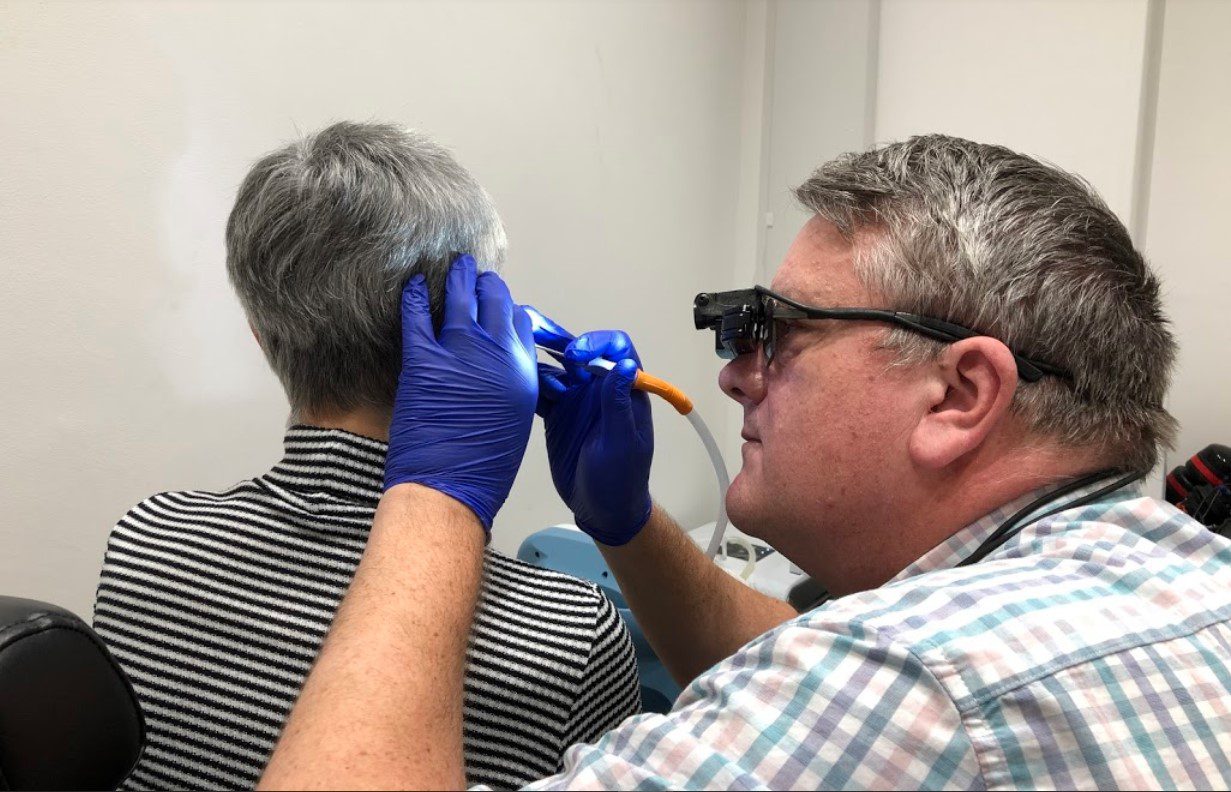
Ealing: Private Microsuction Ear Wax Removal in Ealing W5

East Finchley: Private Microsuction Ear Wax Removal in East Finchley N2
Edgware: Private Microsuction Ear Wax Removal in North London Nw4

Enfield: Private Microsuction Ear Wax Removal in Enfield En1
Finchley: Private Microsuction Ear Wax Removal in Finchley North London
Hastings: Private Microsuction Ear Wax Removal in Hastings Tn34
Hendon: Private Microsuction Ear Wax Removal in North West London Nw4
Hythe: Private Microsuction Ear Wax Removal in Hythe Ct21
Kingston: Private Microsuction Ear Wax Removal in Kingston-Upon-Thames Kt6
Mill Hill: Private Microsuction Ear Wax Removal in North West London Nw4

Milton Keynes: Private Microsuction Ear Wax Removal Mk in Bucks Mk2

Muswell Hill: Private Microsuction Ear Wax Removal in Muswell Hill N2

Oxford: Private Microsuction Ear Wax Removal in Oxford Ox2
Reading: Private Microsuction Ear Wax Removal in Reading Rg30

St Albans – Private Microsuction Ear Wax Removal in St Albans Al1
Surbiton: Private Microsuction Ear Wax Removal in Surbiton Kt6

Watford: Private Microsuction Ear Wax Removal in Watford Wd3

Welwyn Garden City: Private Microsuction Ear Wax Removal in Welwyn Al8
Useful Guidance for People Searching from Home
Many users begin their search at home, often after noticing reduced hearing or a blocked feeling in one or both ears. That means the page has to do the work without help from a receptionist or clinician. It should explain the service clearly, show where the clinic is, and answer common concerns in the opening lines. This matters especially for people using voice search or browsing on a phone, because they usually want quick, direct answers. In British English, a good health directory should sound calm, factual, and approachable. It does not need medical jargon unless that jargon is explained. It does need enough depth to be genuinely useful. That means listing the treatment type, the clinic setting, and the access details that matter. When a page is written in this way, it can support both immediate patient needs and search performance. It becomes more than a list, it becomes a practical guide to local ear care.
Clear health directory content helps people act sooner, because it turns a general search into a specific, confident booking decision.